


(1).png)


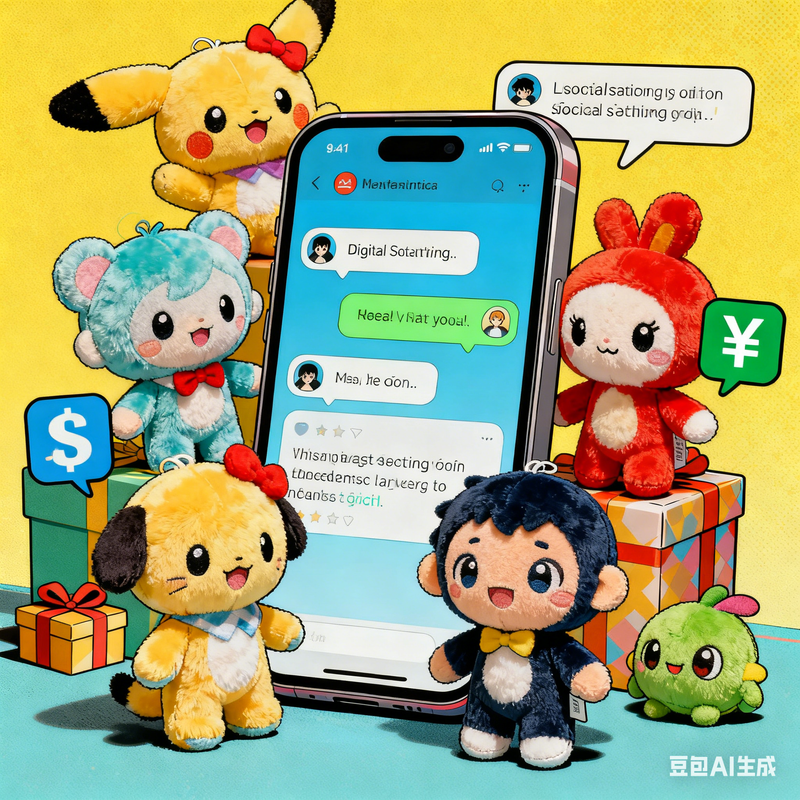
In the neon-lit streets of Shanghai's shopping districts, a curious phenomenon unfolds every evening. Young professionals, fresh from their offices, don't head to florists—they queue outside Pop Mart stores, clutching ¥300 ($50) plush toys destined not for themselves, but as gifts. In digital China, where WeChat red envelopes and Alipay transfers dominate transactions, physical plush toys have emerged as the ultimate social currency, redefining how relationships are expressed, maintained, and valued.
The Economics of Emotional Exchange
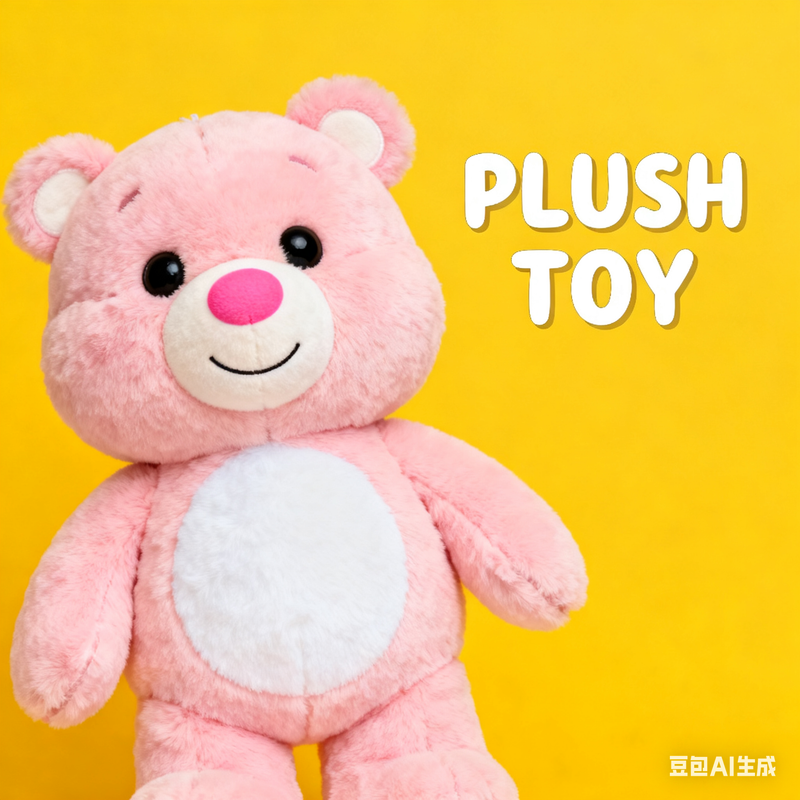
Traditional gift-giving in China has always been laden with symbolic weight—tea sets, calligraphy, moon cakes during festivals. But Generation Z has rewritten the rulebook. According to a 2024 industry report, 68% of Chinese consumers aged 18-30 prefer gifting collectible plush toys over traditional items, with the average spend reaching ¥280 per toy. This isn't impulsive consumption; it's strategic emotional investment.
The psychology is deceptively complex. Unlike flowers that wilt or chocolates consumed within days, a Labubu or Molly figurine sits on a recipient's desk indefinitely—a persistent, tangible reminder of the giver. In a culture where "face" (面子) and reciprocity govern social dynamics, the permanence matters. "When my colleague gifted me a hidden款 Dimoo," shares 26-year-old marketing manager Xiao Lin, "it wasn't just a toy. It was a statement: 'I understand your taste, I value our relationship enough to hunt for this rare piece.'"
Digital Natives, Physical Gestures
Ironically, China's hyper-digitalized society has amplified the value of physical gifts. WeChat's ubiquitous red envelope feature—where money is sent with a tap—has made cash gifts feel transactional, even cold. Plush toys, by contrast, require intentionality. You must physically visit a store, understand the recipient's favorite IP (intellectual property) characters, perhaps even engage in "box hunting" (盲盒狩猎) to find rare variants. The effort itself becomes the gift.
The 520 Phenomenon
May 20th (5/20) has evolved into China's unofficial Valentine's Day because the date sounds like "I love you" (我爱你, wǒ ài nǐ) in Mandarin. On this day, Pop Mart stores report 400% sales surges, with limited-edition plush releases selling out within hours. Unlike Western Valentine's roses, Chinese youth gift character-based plush toys that reflect shared interests—anime fandoms, internet memes, or nostalgic childhood icons. A Crayon Shin-chan plush isn't just cute; it's a coded message: "Remember when we watched this together?"
Social Media as Catalyst
Xiaohongshu (Little Red Book), China's Instagram-equivalent, is flooded with "开箱" (unboxing) videos where recipients film themselves receiving plush gifts. These posts aren't merely about the toy—they're public declarations of social bonds. The platform's algorithm favors gift-related content, with hashtags like #PlushGifting amassing 2.8 billion views. This creates a self-reinforcing cycle: giving plush toys generates social media capital, which encourages more gifting.
Brands have weaponized this dynamic. Limited collaborations—like Miniso's Sanrio x Chinese mythology crossover or Pop Mart's Dunhuang Museum collection—are engineered to be "giftable." Their scarcity and cultural cachet make them status symbols. Gifting a sold-out series isn't just generosity; it's proof of access, taste, and social prowess.
Beyond Romance: The Friend Economy
While Western discourse often frames gift-giving through romantic lenses, China's plush gifting culture transcends dating. Female friendships, in particular, drive the market. The concept of "闺蜜经济" (bestie economy) describes how young women collectively sustain industries through shared consumption. Plush toys function as friendship tokens—small enough to avoid burden ("it's just a toy!"), significant enough to convey affection.
Workplace gifting represents another frontier. Office culture in China's tier-one cities is intensely competitive yet relationship-driven. A well-chosen plush toy—perhaps a stress-relief squishy or a desk-sized Capybara—can navigate the delicate balance between professional distance and personal warmth. It's a gift that says, "I see you as more than a colleague," without crossing boundaries.
The Anti-Materialism Paradox
Counterintuitively, China's plush gifting craze coexists with rising anti-consumerist sentiment among youth. The "躺平" (lying flat) movement and rejection of 996 work culture reflect fatigue with materialism. Yet plush toys—which cost real money—thrive. The paradox resolves when you consider what they symbolize: not wealth, but emotional labor.
A ¥300 plush toy is expensive enough to signal effort but affordable enough to avoid guilt. It occupies a sweet spot between "I couldn't be bothered" and "I'm trying to impress you with luxury." In a society increasingly wary of ostentation, plush toys are democratizing gifting—accessible yet meaningful.
Global Ripple Effects
This cultural shift is now exporting. Chinese students studying abroad introduce plush gifting to foreign friends, while diaspora communities maintain the practice as cultural identity markers. International K-pop fandoms, heavily influenced by Chinese fans, have adopted plush toys as standard concert gifts for idols. The language of plush as social currency is globalizing.
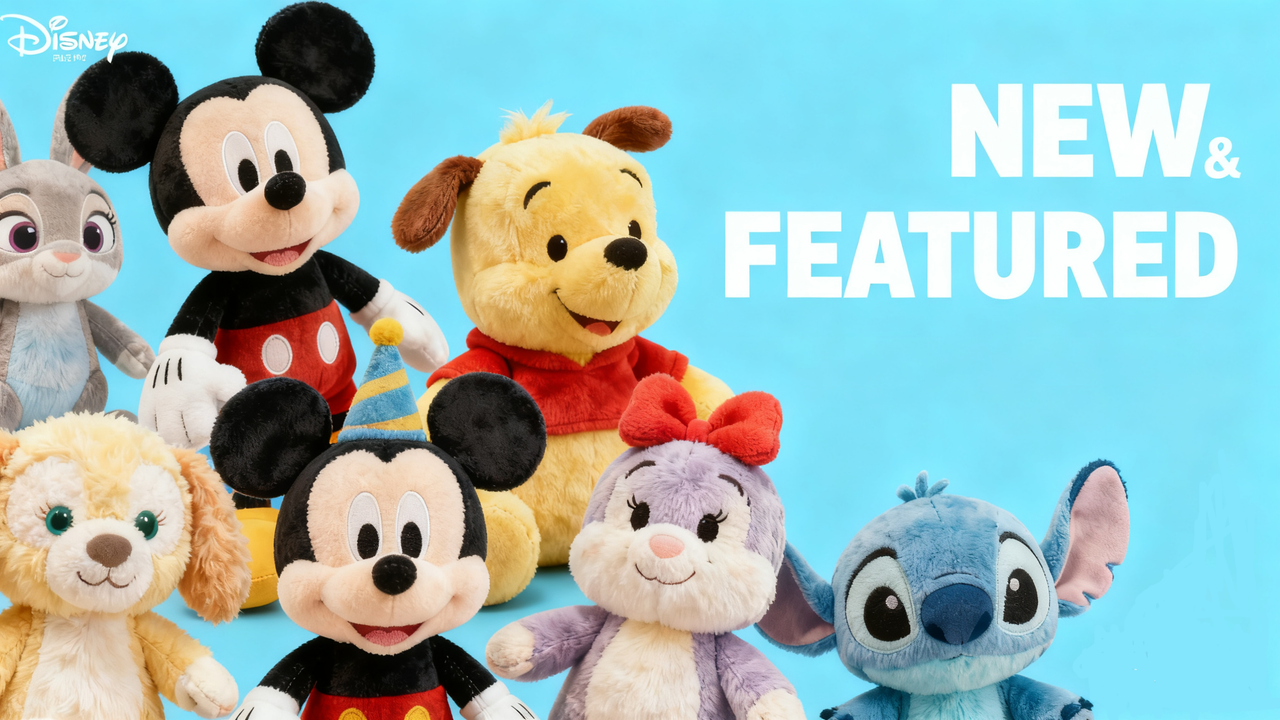
Western brands are taking notes. Disney's recent pivot toward collectible plush variants in Asian markets, and Sanrio's increased collaboration frequency, reflect recognition of this trend. The future of gifting, it seems, is being written in Shanghai's toy stores.
Conclusion: More Than Toys
To dismiss China's plush gifting phenomenon as frivolous consumerism is to miss its deeper architecture. These toys are vessels for emotional communication in a society where direct verbal expression can feel uncomfortable. They're physical anchors in relationships increasingly mediated by screens. They're status markers that bypass traditional wealth signaling. They're nostalgia, identity, and social strategy compressed into soft, huggable forms.
When a 24-year-old in Beijing gifts her best friend a limited-edition Labubu, she's not just spending money—she's investing in a relationship's future, creating a shared cultural reference, and participating in a generational redefinition of what it means to care. In digital China, plush toys aren't replacing red envelopes; they're becoming something red envelopes never could be: irreplaceably, meaningfully human.
Back to Blog